What Changed
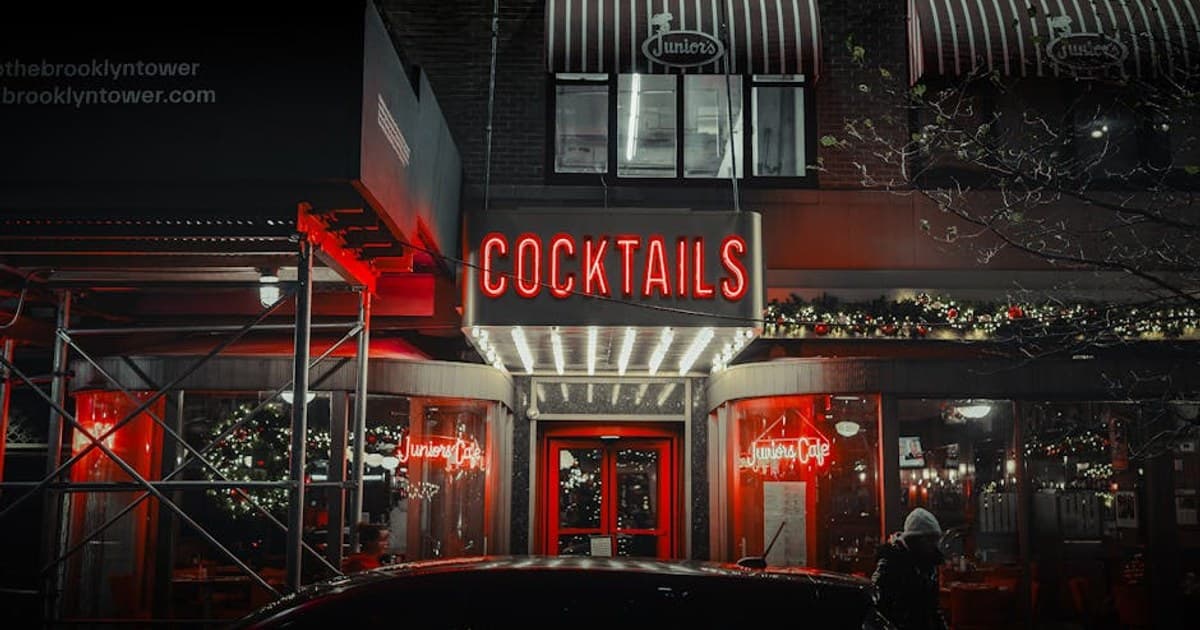
Walk into a Williamsburg bar at 9 PM on a Friday in 2026 and the tab is different than it used to be. Younger adults drink less. Non-alcoholic menus have moved from afterthought to standard offering. Listening rooms, early sets and food-first evenings have taken share from the vodka-soda-at-midnight Brooklyn of a decade ago. The licensed cannabis market grew up over the same years, on a separate track with its own rules.
This is the Brooklyn-specific guide for adults 21+ on how those two worlds sit next to each other. Licensed retailers only, no consumption at bars or venues, and all the usual compliance framing.
The Rule at the Bar
Bars, restaurants and clubs are off-limits for cannabis consumption. In New York, THC beverages are not sold where alcohol is licensed, so a bar is not the place to look for one, and a menu claiming otherwise is a red flag. The two categories are kept apart by law, and the night out works better when they stay apart.
Alcohol-Free Programs
A handful of Brooklyn bars now run serious non-alcoholic programs alongside their cocktail menus, clustered in Williamsburg, Fort Greene, and the newer-wave corners of Bushwick. A useful frame: the bars doing this well treat the alcohol-free list as an equal citizen, not a sad substitute. If the menu buries it at the bottom or the bartender rolls their eyes, walk next door.
Listening Rooms & Small Venues
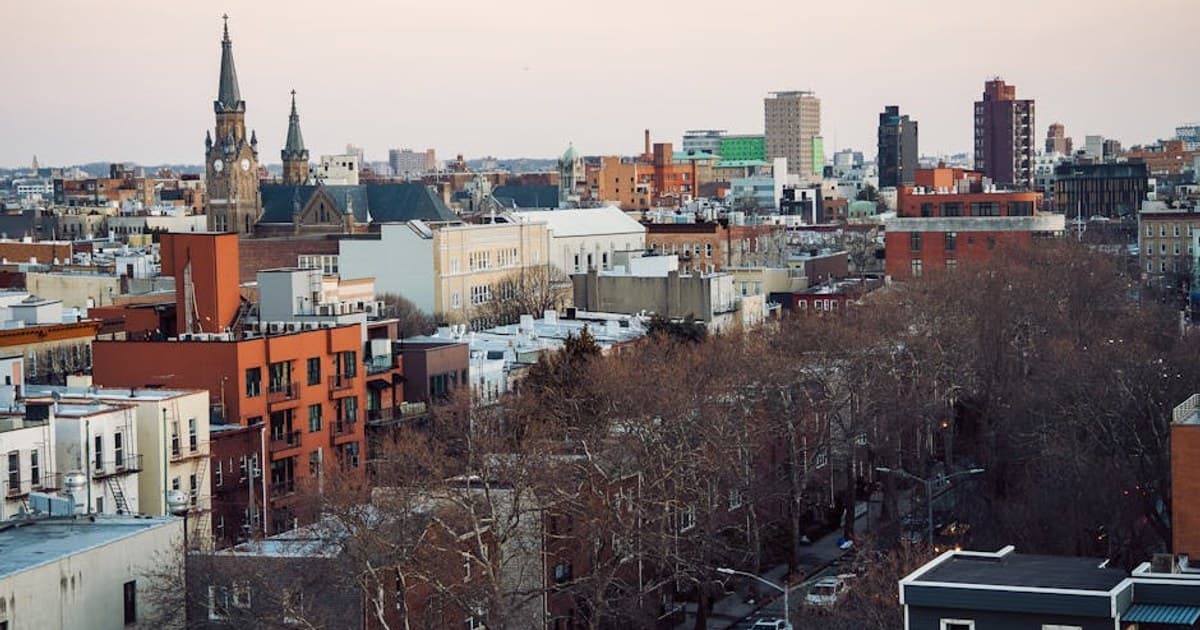
Brooklyn's listening-room economy has grown along with the sober-curious movement: smaller, more-considered venues where attention is on the music rather than the volume of the bar. Public Records in Gowanus, Nowadays in Ridgewood (technically Queens but practically Brooklyn-adjacent), and a rotating cast of newer rooms. The energy is lower, the sound is better, and the crowd is there to listen.
No consumption in these rooms or on the sidewalk outside. Venue house rules and state law agree on that.
Licensed Shops, on Their Own Errand
Cannabis shopping in Brooklyn is its own errand: a licensed dispensary during open hours, or licensed delivery to a private residence. Verify licensed status via the OCM QR code at cannabis.ny.gov, read the milligrams per serving on any edible or beverage, and start low, go slow. See the delivery guide for the operational side.
What Doesn't Work
A few things worth flagging:
- Consuming in public. New York state law prohibits cannabis consumption on state-owned land and in public spaces. That includes parks, sidewalks, stoops visible from the street, subway platforms and trains. Enforcement varies; the law doesn't.
- Buying from anyone at a bar, club or show. A person offering cannabis at a venue is not a licensed retailer, and the product is unverifiable.
- Driving home after consuming. Every US state prohibits driving under cannabis influence. The subway handles Brooklyn nightlife better than driving ever did; treat it as the default.
The Night In
Increasingly, the "Brooklyn night out" looks like a Brooklyn night in: three friends, an apartment, takeout from somewhere good, and a conversation that goes past midnight because nobody is on their phone trying to split an Uber. A private residence is the one setting where adults 21+ can legally consume in Brooklyn today, subject to the lease and the host's say-so, and no one is obligated to.
Compliance, Quickly
- 21+ only. Licensed retailers only. Verify via OCM QR code at cannabis.ny.gov.
- No consumption at bars, restaurants or venues.
- THC beverages are not sold where alcohol is licensed in New York.
- No consumption in public spaces. State law prohibits it.
- No driving after consuming. Take the train.
- Start low, go slow on edibles, especially new products or new brands.
Where to Go Next
- Brooklyn cannabis delivery guide
- Brooklyn neighborhood cannabis guide
- CAURD dispensaries in Brooklyn
- Cannabis events in Brooklyn 2026
This is editorial, not legal advice. Always verify current cannabis laws at cannabis.ny.gov.
Jay, Editorial Team
Jay pairs cannabis to setting — town guides, dining, festivals, outdoor adventures, and the regional editorial that ties cannabis into specific places and moments. Their writing anchors the town anchors, cabin and lodging coverage, music heritage and Tanglewood-arts pillars, and the lifestyle context that makes a region feel real.