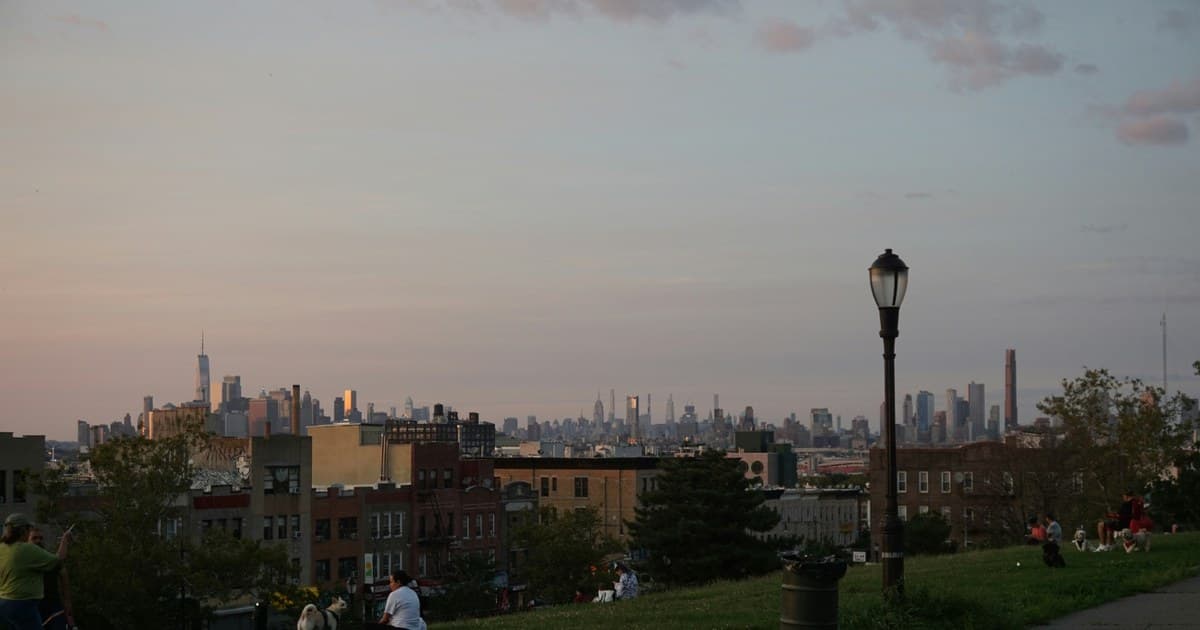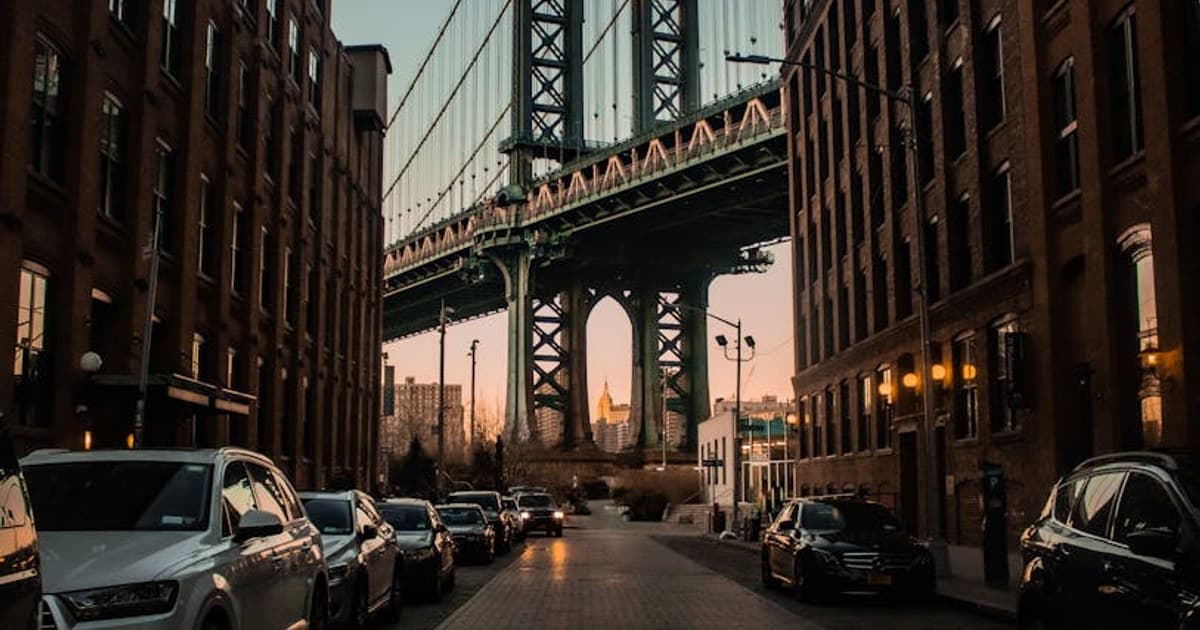

Brooklyn rooftops split into two legal categories, and the gap between them is wider than most adults 21+ realize until they need to know. Commercial rooftop bars are off-limits for cannabis, even the high-end ones with elevated views of Manhattan. Private building rooftops are a different question, governed by the lease, the property type, and what is posted on the door to the roof access.
Commercial Rooftop Bars, the Clean No
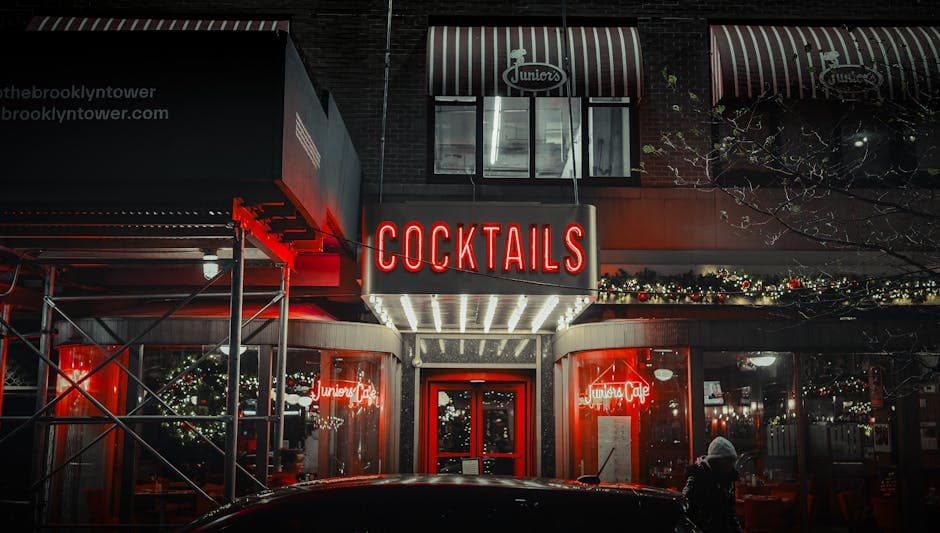
Brooklyn has a sizable inventory of commercial rooftop bars. Westlight at the William Vale, Harriet's at the 1 Hotel Brooklyn Bridge, the William Vale's other elevated spaces, Upside Pizza's rooftop, and a handful of hotel and restaurant rooftops across Williamsburg, DUMBO, and downtown Brooklyn. Cannabis consumption is not permitted at any of them, regardless of the drink program or the staff's personal attitude.
That covers vapes, joints, edibles, and flower anywhere within the venue. New York state law prohibits cannabis consumption on state-owned land and in public spaces, and commercial rooftop bars sit firmly on the public side of that line for cannabis purposes even though they are private businesses. Staff are trained to spot cannabis use and ask patrons to stop or leave, and the venue's liquor license is on the line, so enforcement is real.
No THC Drinks at the Bar, Either
A rooftop bar is an alcohol bar. In New York, THC beverages are not sold where alcohol is licensed, so a rooftop bar is not a place to find one, and a menu claiming otherwise is a red flag. THC beverages are a licensed-dispensary purchase: adults 21+ only, and verify licensed status via the OCM QR code at cannabis.ny.gov.
Private Building Rooftops, the Lease Decides
Private building rooftops are a different category. An apartment building with a shared roof deck, where access is limited to building residents, is not a public space in the same sense. The building's lease and the rooftop rules govern what residents can do on the roof.
Some Brooklyn buildings allow smoking of any kind on the roof, some prohibit all smoking, and some have specific rules around cannabis. The lease is the starting point, followed by the building association or management company's current rules. If the lease is silent on cannabis specifically, the building's posted smoking rules are the next stop.
Guests on a Private Roof
Guests complicate the picture. A resident's invited guests are on the roof as the resident's invitees, similar to a private apartment, but the building's rules still apply to everyone up there. Many buildings cap guest numbers or require residents to be present.
Scale changes things. A small gathering hosted by a resident or two is one picture. A forty-person rooftop party organized by a single resident looks like an event, draws building attention, and may run against the lease regardless of what anyone is or is not consuming.
The Sound Question
The legal line is one issue. The neighbor-relations line is another. Brooklyn rooftops amplify sound. Conversations at normal volume carry two or three buildings away, music carries further, and late-night rooftop use generates noise complaints. Wrapping up before 10:00 PM on weeknights and before midnight on weekends, with volume in a conversation range, keeps a roof deck usable for everyone.
Most rooftop complaints filed with building management or 311 are about noise. Keep the sound down and the evening stays off the radar.
Hybrid Buildings, Mixed-Use Complications
Some Brooklyn buildings are mixed-use, with residential apartments above commercial ground-floor spaces. The roof might be technically a shared amenity for the residential tenants, but the building's operating structure can be more complicated than a straight apartment building. The lease is the source of truth.
Similarly, some Brooklyn condo buildings have association rules about rooftop behavior that supersede individual owner preferences. A condo owner with rooftop access may still be subject to association-wide rules on smoking, including cannabis. Check the condo documents before assuming.
The Seasonal Shape
Brooklyn roof-deck season runs from late April through early October. November through March, cold weather and wind make rooftop evenings impractical and social life moves indoors to apartments, where the same lease questions apply.
What to Ask Before Assuming
Three questions every Brooklyn adult 21+ should answer before assuming anything about a roof. First, is the rooftop private to building residents? Second, does the lease or building rules prohibit smoking of any kind? Third, does the building have a stated cannabis policy?
If any answer is ambiguous, treat the roof as off-limits and ask management. A written answer beats a neighbor's assumption.
Compliance, Quickly
- 21+ only, verify licensed status via the OCM QR code at cannabis.ny.gov.
- New York state law prohibits cannabis consumption on state-owned land and in public spaces, and commercial rooftop bars are off-limits.
- THC beverages are not sold where alcohol is licensed in New York.
- Private building rooftops are governed by the lease and the building's posted rules.
- Never drive after consuming, and keep rooftop noise levels neighbor-appropriate.
Where to Go Next
- Rooftops, Parks & the Law in Brooklyn
- Brooklyn Private Rooftop Social Culture
- Brooklyn Apartment Cannabis Hosting Template
*This is editorial, not legal advice. Always verify current cannabis laws at cannabis.ny.gov.*
Jay, Editorial Team
Jay pairs cannabis to setting — town guides, dining, festivals, outdoor adventures, and the regional editorial that ties cannabis into specific places and moments. Their writing anchors the town anchors, cabin and lodging coverage, music heritage and Tanglewood-arts pillars, and the lifestyle context that makes a region feel real.