In this story ▾
Brooklyn's CAURD dispensaries have gone through a clear visual evolution since the first shops opened in 2023. The earliest licensed retailers ran a lean build-out, often in storefronts repurposed fast from other retail categories, with menus displayed on consumer-grade monitors and product cases that looked borrowed from a jewelry supplier. By 2026 the strongest Brooklyn dispensaries are designed spaces with as much craft as an independent coffee shop, a design-forward boutique, or a small bookstore. The shift is both aesthetic and commercial, and it maps to how the category has matured.
What the Early Shops Looked Like
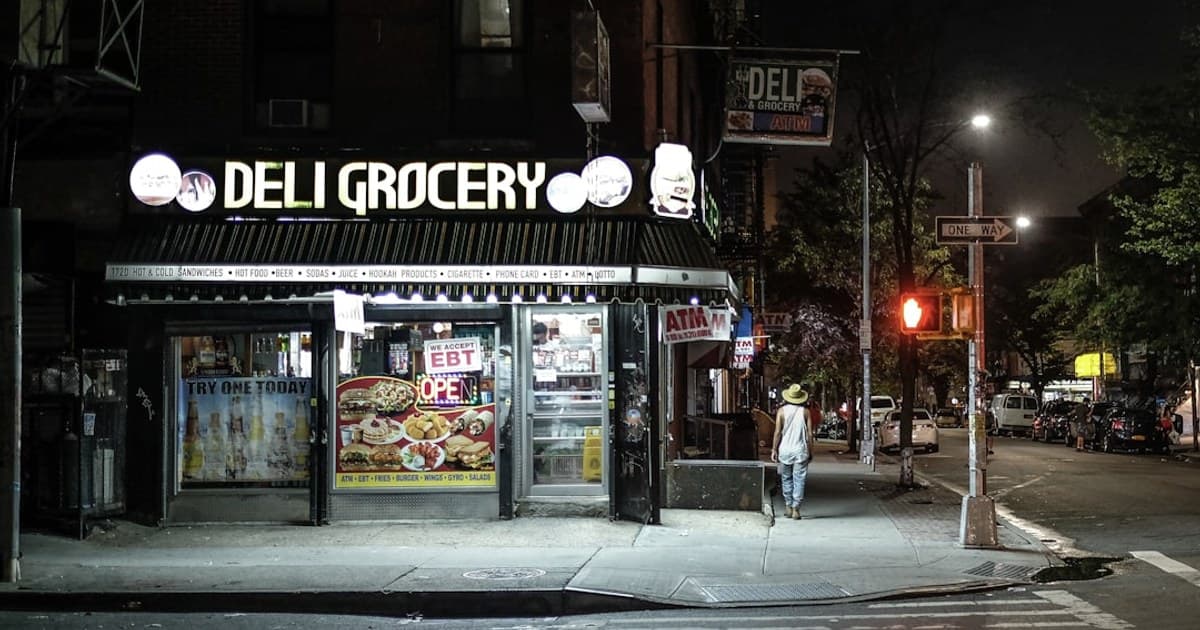
The first wave of CAURD storefronts in Brooklyn shared common features: heavy glass security at the entry, a single long counter with a line of budtenders, wall-mounted menu screens, and product displays in simple glass cases. The design language was closer to a phone repair shop or a legal-market pharmacy than a retail destination. This was not laziness, it was speed. The operators needed to open, and design polish was not the priority.
Some of those first shops have since renovated. Others remain in their original state, which at this point reads as a strong visual signal of how the shop has evolved versus how it has stayed still.
The 2024-2025 Shift
Around the second half of 2024, a subset of Brooklyn CAURD shops started investing in proper interior design. Reclaimed wood, custom millwork, curated lighting, thoughtful wayfinding from entrance to counter. The shift was partly about competition, there were more shops to choose from and visual differentiation mattered, and partly about a generational handoff within the operators themselves. Some of the second-generation managers had backgrounds in hospitality and retail design and brought that training into the shop floor.
The shops that invested in design in this window have tended to see longer average visit times and higher repeat-customer rates, based on operator conversations. Adults 21+ who visit a well-designed shop spend more time asking questions, and the budtender relationship dynamic gets easier in a space that does not feel rushed.
What the Strong 2026 Shops Get Right
Three things show up across the Brooklyn shops with strong current design.
First, sight lines. A customer walks in and can see the counter, the menu, and a product or two without feeling overwhelmed or disoriented. Signage is minimal and consistent. The shop floor is not crowded with seasonal marketing.
Second, product storytelling. Shelves and cases tell a story about the cultivators, the edible makers, the accessory brands. Cards with brief notes, small photographs of the farms, visible attention to who made what. This is the opposite of the early-shop approach where products were treated as interchangeable SKUs.
Third, acoustics. The strong shops sound like a quiet bookstore rather than a loud fluorescent-lit box. Soft materials, low ceilings in the counter area, music at a conversation-friendly volume. The hospitality instinct of "a customer should be comfortable" applies to cannabis retail the same way it does to coffee or books.
Why Design Affects SEO + Return Visits
The instinct to dismiss interior design as nice-to-have overlooks the business math. Customers photograph well-designed shops and post the photos, which drives social traffic. They tell friends, which drives word-of-mouth. They come back more often because the space itself is pleasant to be in, which lowers the acquisition cost per transaction.
The stronger Brooklyn CAURD shops now rank higher in local search, not because of any direct design-to-SEO mechanism, but because the design drives the secondary signals. More photos, more reviews, more time spent on the shop's listing. Verify licensed status via the OCM QR code at cannabis.ny.gov for any shop claiming CAURD compliance, the polished look alone is not verification.
Materials, Common Patterns
Across the stronger Brooklyn designs, recurring material choices: blond or medium-tone wood for counters and millwork, soft plaster or textured paint on walls, exposed brick where the original building allowed, metal fixtures in brass or antique bronze rather than polished chrome. Lighting is warm, around 2700K, and layered. Pendant fixtures over the counter, recessed lighting over the cases, wall sconces for ambient.
The design language sits in the same family as the second wave of Brooklyn restaurants and bars from the mid-2010s onward. That is not a coincidence, the audience overlaps.
What the Weaker Shops Still Get Wrong
Flat overhead fluorescent lighting. Plastic laminate counters. Overly-bright menu screens. Security glass that runs higher than necessary. Too much visible inventory behind the counter with no editorial arrangement. A checkout counter that looks like a cash-and-wrap rather than a service counter.
None of these are compliance problems, the shops are still operating within CAURD rules. They are retail problems. Customers notice and form preferences accordingly.
The Consumption-Lounge Design Question
Consumption lounges are a separate license category in New York and the rollout has been slow. When the first licensed Brooklyn consumption lounges open, the design question will be harder than the retail-shop design question. A consumption lounge has to function as hospitality, not just retail, and the design expectations climb accordingly.
For now, Brooklyn's CAURD retail shops are optimizing retail design alone. The jump to lounge-design expectations is still ahead.
What This Means for Customers
A well-designed shop is not automatically a better shop, but it correlates with operator care. A shop that invested in the space is more likely to have invested in staff training, product curation, and compliance systems. Some consumers describe the shop floor as a useful proxy for how the rest of the operation runs.
The recommendation: visit three or four Brooklyn CAURD shops in a week and notice which ones you linger in and which ones you leave fast. Pick the ones that feel right. Build a relationship from there.
Compliance, Quickly
- 21+ only, verify licensed status via the OCM QR code at cannabis.ny.gov.
- Polished design is not proof of licensing, always verify through OCM.
- New York state law prohibits cannabis consumption on state-owned land and in public spaces, retail shops are not consumption spaces.
- Start low, go slow on any new product, regardless of how the shop looks.
- Never drive after consuming, and do not assume a delivery from a well-designed shop is more compliant than one from a plainer shop.
Where to Go Next
- Brooklyn CAURD Dispensary Guide
- Brooklyn Dispensary Budtender Relationship
- Brooklyn Dispensary Category Leaders
*This is editorial, not legal advice. Always verify current cannabis laws at cannabis.ny.gov.*
Jay, Editorial Team
Jay pairs cannabis to setting — town guides, dining, festivals, outdoor adventures, and the regional editorial that ties cannabis into specific places and moments. Their writing anchors the town anchors, cabin and lodging coverage, music heritage and Tanglewood-arts pillars, and the lifestyle context that makes a region feel real.