The biggest quality-of-life upgrade a regular Brooklyn cannabis buyer can make is not finding a better shop. It is becoming a regular at a good one. A relationship with a specific CAURD-shop budtender compounds over a dozen visits, the recommendations get sharper, the inventory knowledge becomes shared, and the shop rhythm starts to fit the buyer's preferences rather than the buyer adapting to the shop's catalog. Adults 21+ who have built this relationship rarely go back to cold-catalog browsing.
What a Relationship Looks Like
On a first visit, a budtender runs through the menu as if the customer knows nothing, which is the right call. Broad questions about preference, sensitivity, price range. The customer picks, the transaction runs, everyone goes home. On the fifth visit, the budtender remembers the preferences from visit one and two and can skip the broad questions entirely. On the tenth visit, the budtender flags a new shelf arrival the customer is likely to want before the customer asks.
That is the relationship. It requires nothing more than consistency from the customer and attentiveness from the shop.
Why Brooklyn Specifically
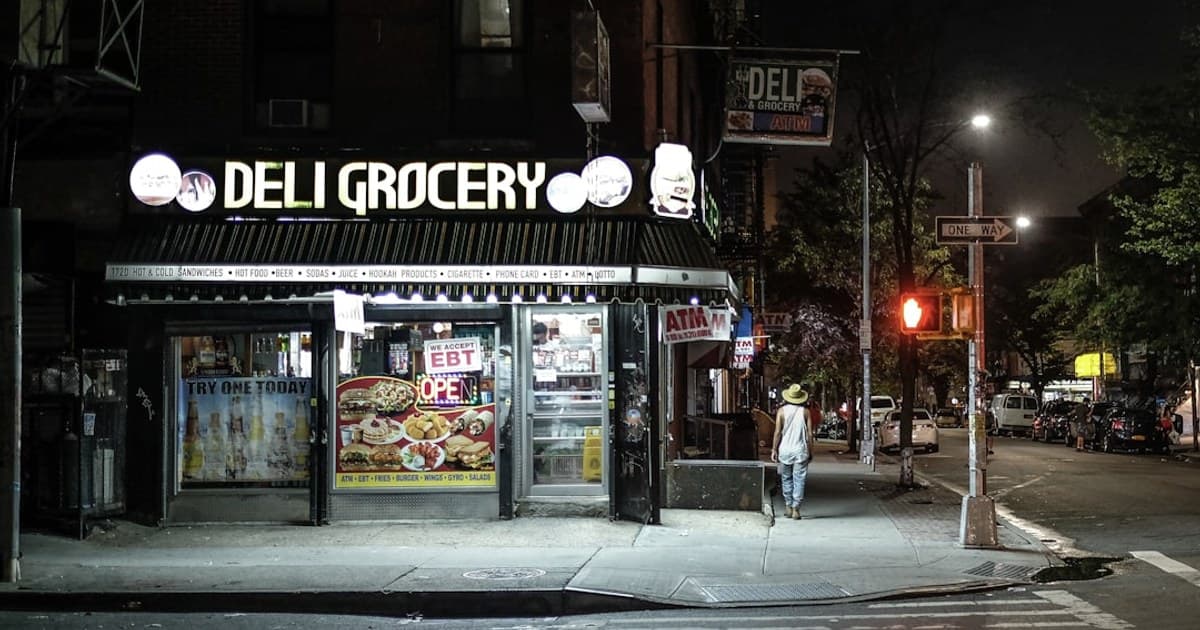
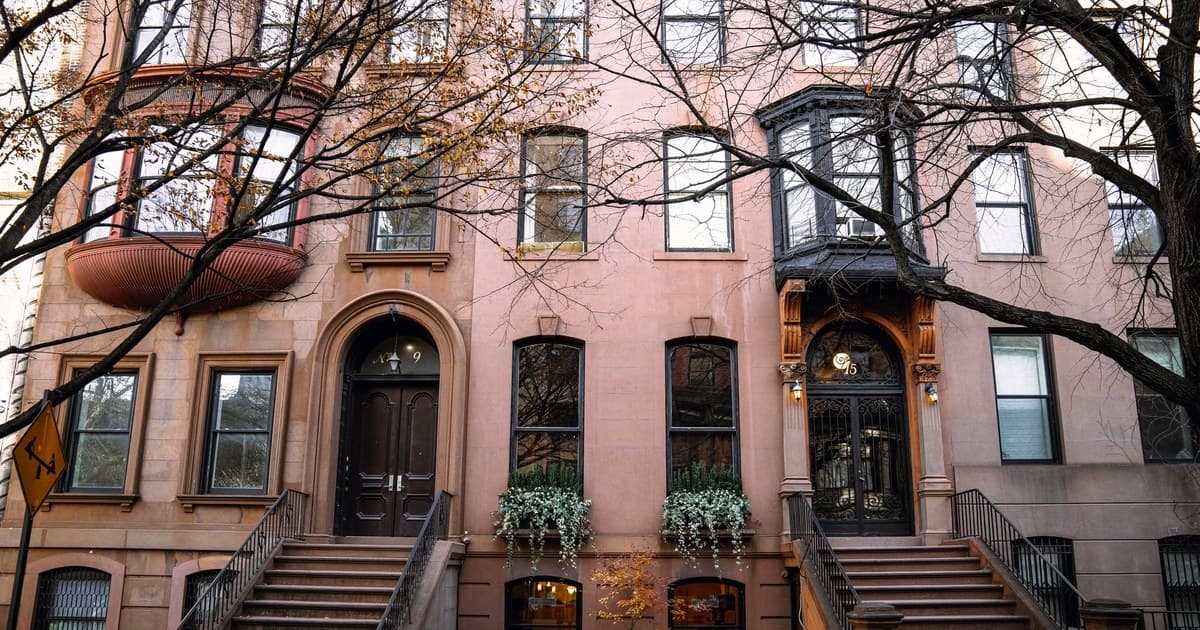
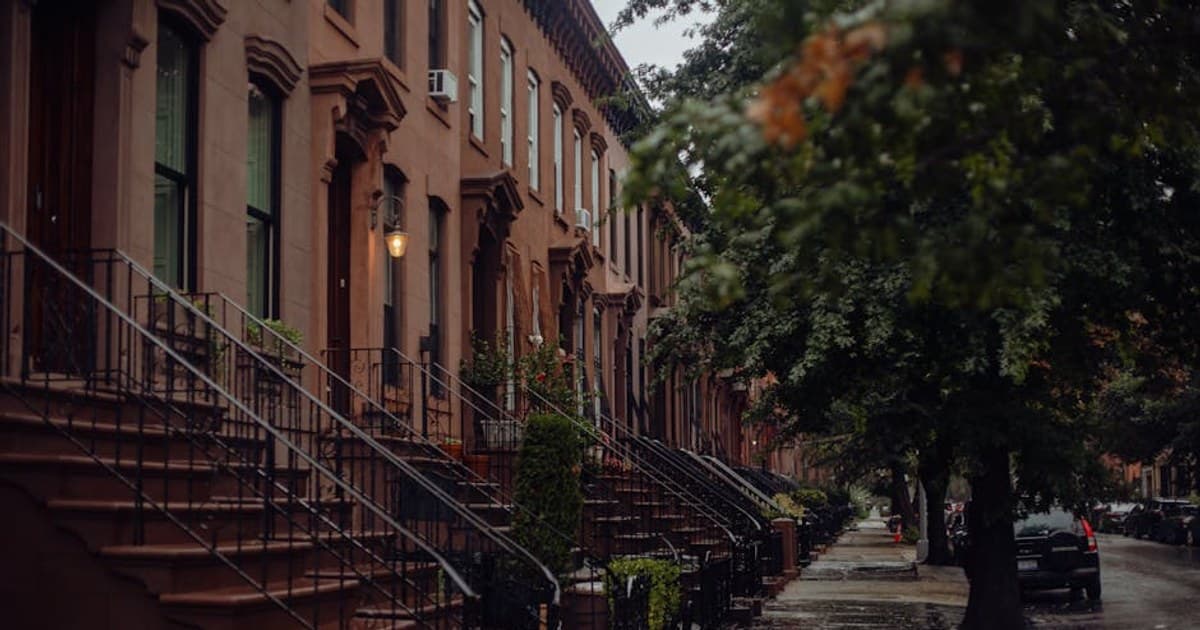
The Brooklyn CAURD retail landscape is dense enough that most adult 21+ buyers have three or four licensed shops within a reasonable distance. The temptation is to rotate, chase promotions, or pick the closest shop on a given day. The upgrade is to pick one and stick.
The shops themselves benefit from the same dynamic. A regular customer is easier to serve, the rec runs faster, the inventory flow is more predictable. Some shops run informal loyalty recognition, a longer conversation with regulars, first dibs on small-batch drops, a heads-up text when something specific arrives. None of this requires a formal program.
Verify licensed status via the OCM QR code at cannabis.ny.gov before making any shop a regular. The gray market mimics the branding but not the compliance.
What a Budtender Can Tell You
The trained budtender at a licensed Brooklyn shop has access to information the label does not carry. Current shelf freshness, which cultivators had a strong harvest this round, which edibles come in at reliably accurate dosing, which strain notes are marketing fluff and which are useful. They can steer a customer away from a product that sounds good on paper but is not hitting right on this particular shipment.
They can also flag NY-grown flower specifically. The New York licensed-cultivation market has grown through 2025 and into 2026, and the small-batch NY-grown drops are often the most interesting inventory at a given shop. Without a relationship, these drops get bought out before a rotating customer even knows they exist.
The Conversation Template
A useful visit conversation has three or four questions. What came in this week that was not here last time. What has been running well on the shelf. What the budtender's own go-to has been recently. Anything specific to the buyer's profile, sensitivity to certain effects, price range shifts, a new format worth trying.
The answers matter more than the questions. A budtender who repeats the product description off the label without adding anything is not building a useful relationship. A budtender who says "this batch came in dry, the last one was better" or "I'd skip the gummies this round, the lozenges are cleaner" is the relationship worth building.
NY-Grown Flower Picks
The most common benefit of a strong budtender relationship is access to NY-grown small-batch flower. Most of the legacy-craft legal cultivators in New York run small-batch releases that sell through in days, sometimes hours. The shop knows which cultivators consistently deliver and times their orders to catch the better drops.
A regular who has shown an interest in this category will usually get a text, a shop-loyalty-app notification, or a heads-up in a weekly email when a drop lands. Without that, the category is impossible to track from the outside.
Where This Fails
Turnover at the shop. Some CAURD shops have settled into a stable staff and some are still churning through budtenders. A relationship with a specific person lasts until that person leaves, at which point the customer either builds a new relationship with the replacement or shifts shops.
Over-reliance. A budtender's recommendations are useful, they are not gospel. Taste, tolerance, and preferences drift. A regular who stops thinking about what they want and defers entirely to the budtender ends up buying what the shop pushes rather than what fits.
Chain shop dynamics. A small independent CAURD shop is different from a multi-location operator. The relationship dynamics are easier at the former and more transactional at the latter, though exceptions exist on both sides.
What the Customer Brings
The relationship is two-sided. A customer who comes in, never asks a question, pays, and leaves gets a functional transaction. A customer who asks about new arrivals, mentions what worked and what did not, and treats the budtender like a professional rather than a cashier gets the upgrade.
Tipping culture varies by shop. Some shops have a tip jar, some do not accept tips at all. Ask once, follow the shop's norm, do not make it awkward.
The Longer Arc
The budtender relationship pattern is the cannabis equivalent of the butcher, the fishmonger, the cheesemonger, the neighborhood barber. Brooklyn has always rewarded this pattern for other categories, the cannabis extension of it is recent only because the licensed market itself is recent.
Some consumers describe the shift from cold-catalog-app-browsing to a single-shop relationship as the single biggest improvement in their cannabis experience since buying legally started being possible. The time saved, the quality of product, the sense of being a regular somewhere, all compound.
Compliance, Quickly
- 21+ only, verify licensed status via the OCM QR code at cannabis.ny.gov.
- Only build relationships with CAURD-licensed Brooklyn shops, never with gray-market operators.
- New York state law prohibits cannabis consumption on state-owned land and in public spaces, no on-site consumption at the shop.
- Start low, go slow on new products a budtender suggests, even strong recommendations benefit from a careful first try.
- Never drive after consuming, and keep purchases sealed in their packaging on the way home.
Where to Go Next
- Brooklyn CAURD Dispensary Guide
- Brooklyn CAURD Founder Stories
- Brooklyn Dispensary Store Design Architecture
*This is editorial, not legal advice. Always verify current cannabis laws at cannabis.ny.gov.*
Jay, Editorial Team
Jay pairs cannabis to setting — town guides, dining, festivals, outdoor adventures, and the regional editorial that ties cannabis into specific places and moments. Their writing anchors the town anchors, cabin and lodging coverage, music heritage and Tanglewood-arts pillars, and the lifestyle context that makes a region feel real.