Cannabis Education
Cannabis for Chronic Pain: What the Science Says
A plain-English guide to cannabis for chronic pain: what adults 21+ should know, how to think about it, and where to go for the next level of detail.
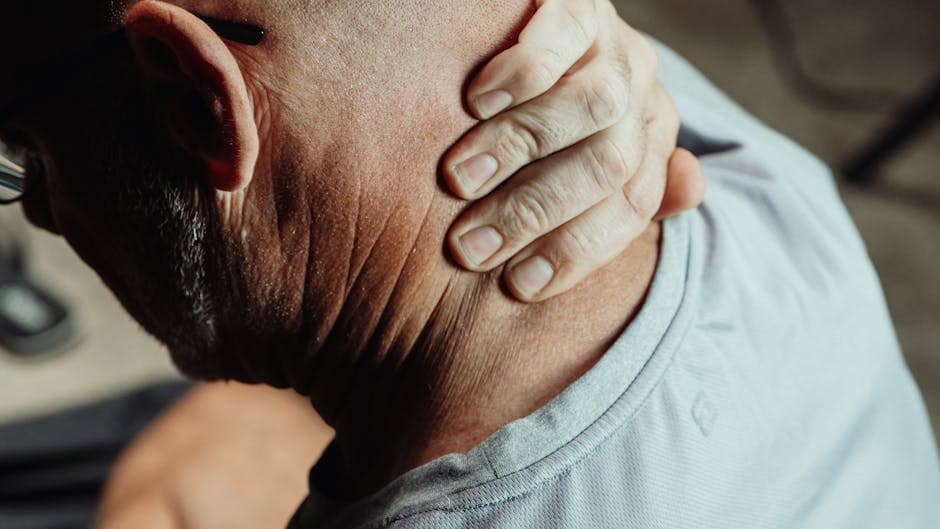
Photo by Jean-Daniel Francoeur on Pexels
The Short Answer
Cannabis and chronic pain is one of the most researched corners of the field, and one where the evidence, still developing, is suggestive. Multiple systematic reviews have found modest benefit for specific chronic pain conditions, particularly neuropathic pain. However, cannabis is not a replacement for a pain-management plan developed with a licensed clinician, and its use in chronic pain requires careful conversation with your doctor.
This guide summarizes the current state of the evidence for adults 21+ considering the topic, with strict compliance framing.
What the Research Says
Peer-reviewed literature on cannabis and chronic pain includes:
- Multiple systematic reviews suggesting modest analgesic effect for chronic neuropathic pain in some patients
- Evidence that cannabis may reduce opioid use in some chronic pain populations (though the interaction is complex and requires supervision)
- Mixed evidence for non-neuropathic chronic pain (inflammatory pain, mechanical pain, fibromyalgia)
- Limited but suggestive evidence that CBD may contribute to pain relief, though the clinical picture is less clear than for THC
National Academies of Sciences, Engineering, and Medicine (NASEM) reports from 2017 onward have concluded there is "substantial evidence" that cannabis is effective for chronic pain in adults, the highest evidence tier in their framework. This is a rare category for cannabis research.
That said: NASEM's report is not a clinical endorsement. It's a research summary. Translation to individual patient care requires a doctor.
Where Cannabis Fits (and Doesn't) in Pain Management
Cannabis is not a first-line pain treatment. For most chronic pain conditions, the conservative pain-management framework is:
- Rule out treatable causes
- Physical therapy, exercise, sleep hygiene
- Non-opioid pharmacology (NSAIDs, acetaminophen, adjuvants)
- Interventional pain management (injections, procedures)
- Specialist consultation for complex cases
- Opioids when clinically indicated and carefully monitored
Cannabis can fit into this framework, often as an adjunct rather than primary intervention, sometimes as a partial opioid alternative for patients with clinician oversight. It should not be the first thing tried, and it should not be used in isolation from a broader pain plan.
The Conservative Framework for Adults 21+
If you have chronic pain and are considering cannabis:
- Talk to your primary care physician or pain specialist first. They need to know if you're using cannabis, and the conversation should happen before you start, not after.
- Bring a list of current medications. Cannabis interacts with many drugs. See our drug interactions guide.
- Consider medical cannabis certification if your state has a program. Medical programs typically offer lower tax, higher dose limits, and budtenders with additional training for patients. See our medical marijuana card guide.
- Start with balanced or CBD-dominant products. 1:1 THC:CBD or higher-CBD ratios may be more functional for daytime pain management than pure THC.
- Try non-inhaled formats first. Tinctures, capsules, and low-dose edibles offer dose precision and longer duration than smoking or vaping.
- Keep a pain-and-dose log. Products, doses, times, pain scores. Two weeks of data is far more informative than memory.
Product Categories Patients Commonly Consider
Tinctures, sublingual, precise dosing, 15–45 minute onset. Good for titrating dose.
Low-dose edibles, long-lasting (4–8 hours), useful for nighttime pain or day-long background pain. Less useful for breakthrough pain.
Topicals, creams and balms for localized joint or muscle pain. Generally non-intoxicating. Useful as a zero-risk add-on.
Inhaled (flower, vape), fast onset, short duration. Useful for breakthrough pain but requires frequent redosing.
High-CBD products, non-intoxicating, some patients report value for chronic inflammatory pain without the psychoactive effects.
What Budtenders Cannot Do
Under New York law, dispensary staff cannot diagnose, recommend cannabis for specific conditions, or make medical claims. They can describe products, dosing conventions, and what other customers have reported in general terms. Medical claims belong to a doctor.
If you're in a medical cannabis program, some states allow medical budtenders expanded guidance authority, but even there, the doctor is the primary clinical reference.
Red Flags
Stop cannabis use and revisit your doctor if:
- Pain worsens after starting cannabis
- New or worsening sleep disruption
- Memory or cognitive changes affecting daily function
- Escalating dose needs
- Compulsive use patterns
- Worsening mental health
Where to Go Next
- Medical Cannabis 101
- How to Get a Medical Marijuana Card
- Cannabis and Opioid Reduction
- How to Talk to Your Doctor About Cannabis
- Cannabis and Drug Interactions
---
*This article is consumer education for adults 21+. Nothing here is medical, legal, or financial advice. Cannabis laws vary by state, always verify your state's current rules and, for health questions, consult a licensed clinician. For regulated New York retail, verify licensing via the OCM QR-code system at cannabis.ny.gov.*