The Short Answer
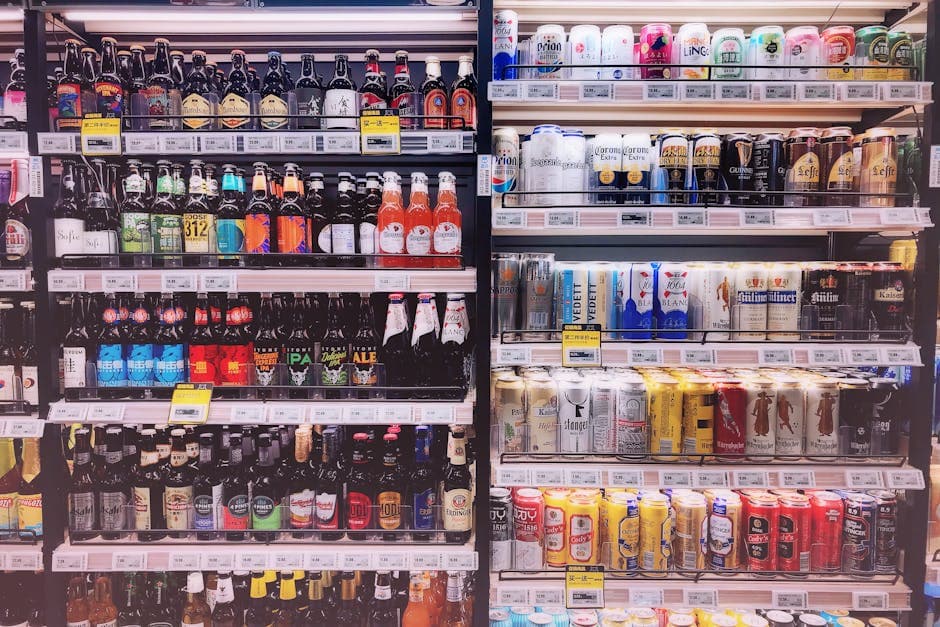
THC-infused beverages, seltzers, teas, non-alcoholic cocktails, have become one of the fastest-growing product categories in regulated cannabis retail. For adults 21 and older, the appeal is understandable: predictable dosing, faster onset than traditional edibles, no smoke, no calories, and a format that mirrors how many consumers already drink alcohol socially. The category's growth reflects broader shifts in adult-beverage behavior.
Why Beverages Are Different
Unlike gummies or baked edibles, modern THC beverages often use nanoemulsion or similar delivery technology that:
- Speeds onset. 10-30 minutes typical, compared to 60-120 for traditional edibles.
- Shortens duration. 2-4 hours typical, compared to 4-8 for traditional edibles.
- Improves dose predictability. Water-soluble formulations produce more consistent absorption.
This makes beverages closer to alcohol in experience rhythm than to traditional edibles.
Common Dosing
- 2.5 mg THC — Microdose; social sipping without intoxication for many consumers.
- 5 mg THC — Standard; comparable to a light drink.
- 10 mg THC — Full New York adult-use cap per serving; more pronounced effect.
Many beverages are available in multi-serving formats (4-8 drinks per can, with each drink at 2.5 mg, for example).
Market Dynamics
The beverage category has grown for several reasons:
Replacement for alcohol. See cannabis as an alcohol alternative. Adults reducing alcohol consumption find beverages easier to substitute than smoking or edibles.
Social acceptability. A THC seltzer in hand reads socially similar to a sparkling water.
New-consumer friendliness. Low-dose beverages are accessible starting points.
Brand innovation. Established beverage brands (some linked to alcohol companies, some standalone cannabis brands) have invested in the category.
Hemp-Derived THC Beverages
Some THC beverages sold outside regulated cannabis channels are hemp-derived (using Delta-9 THC below the Farm Bill threshold per product). These operate in the same legal gray zone as other hemp-derived intoxicating products. Quality and regulatory oversight vary significantly. See hemp vs marijuana legal definitions.
For adults 21+, regulated-dispensary cannabis beverages carry third-party lab testing that hemp-derived alternatives often don't. Verify licensed retailers via the OCM QR code at cannabis.ny.gov.
Notes
- Don't combine casually with alcohol. Even low-dose THC beverages compound alcohol impairment.
- Track doses. A multi-serving can with 10 mg total over 4 drinks is 2.5 mg per drink, easy to accidentally overshoot.
- Respect onset time. Even with nanoemulsion, don't redose at 10 minutes.
- Don't drive. Same rules as any cannabis product.
Where This Fits
For consumers seeking:
- Lower-intensity cannabis experience, beverages suit this.
- Replacement for "one or two drinks" after work, beverages work well.
- High potency, flower, concentrates, or higher-dose edibles fit better.
Where to Go Next
Related reading: thc beverages, the rise of cannabis-infused drinks, cannabis as an alcohol alternative, and edibles 101.
---
*This article is consumer education for adults 21+. Nothing here is medical, legal, or financial advice. Cannabis laws vary by state, always verify your state's current rules and, for health questions, consult a licensed clinician. For regulated New York retail, verify licensing via the OCM QR-code system at cannabis.ny.gov.*
Maya, Editorial Team
Maya covers the sensory and product side of cannabis — aroma, palate, terpene profiles, and the craft of consumption methods from edibles to vaporization to tinctures. Their writing anchors the network's cannabis-education library and the THC-drinks and craft-beverage pillars.