Cannabis Education
Cannabis for Anxiety: Does It Help or Make It Worse?
A plain-English guide to cannabis for anxiety: what adults 21+ should know, how to think about it, and where to go for the next level of detail.
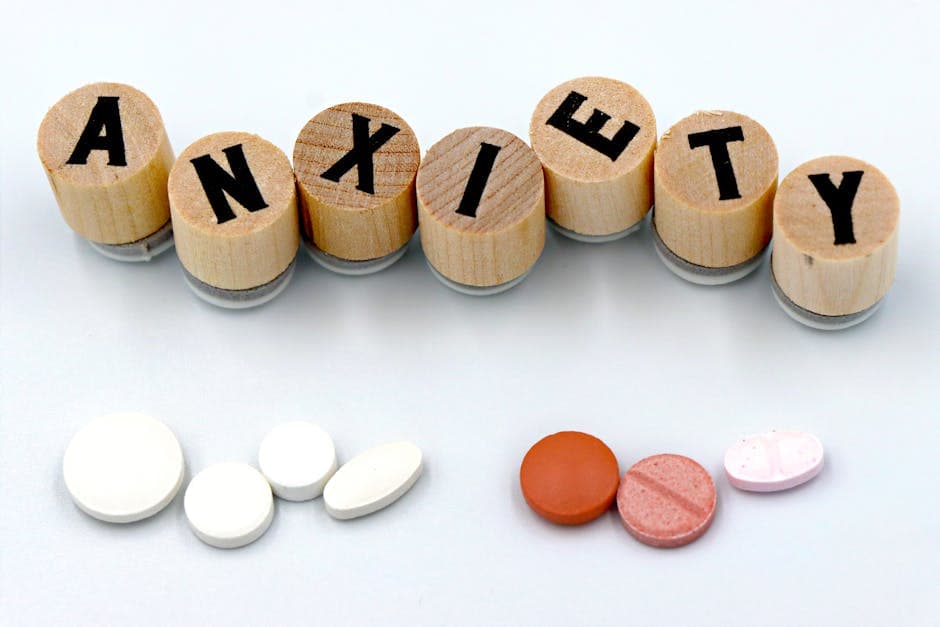
Photo by Alex Hoces on Pexels
The Short Answer
The relationship between cannabis and anxiety is complicated and individual. Low doses of some products may correspond to reduced self-reported anxiety in some adults; higher doses and certain product types are frequently reported to *increase* anxiety. Cannabis is not an anxiety treatment, and no regulated retailer can claim it is.
If anxiety is the reason you're considering cannabis, the first step is a conversation with a licensed clinician, not a dispensary visit.
The Uncomfortable Complexity
Research on cannabis and anxiety is one of the more interesting corners of the field, mostly because the findings are contradictory on their face. A partial summary:
- Some studies suggest low-dose THC corresponds with reduced self-reported anxiety in some subjects.
- Higher THC doses reliably increase anxiety in most subjects, often dramatically.
- CBD alone (no THC) appears in some studies to have anxiolytic properties, though the evidence is still developing.
- Chronic heavy use is associated with higher baseline anxiety in some populations.
- For adults with a pre-existing anxiety disorder, cannabis can sometimes trigger acute panic even at modest doses.
The honest read: cannabis is not a reliable anxiety treatment, and self-medication is risky.
Why It's So Individual
Several factors shape how any given adult responds to cannabis with respect to anxiety:
- Dose, the single biggest variable. The line between "calming" and "panic-inducing" is often a few milligrams of THC.
- CBD content, products with meaningful CBD may feel less anxiety-provoking than pure THC at the same dose.
- Terpene profile, linalool (lavender-like) and limonene (citrus) are often associated with calmer experiences; myrcene is more sedating; some pinene-dominant products can feel cerebrally active.
- Setting, the physical environment and social context amplify whatever the user is feeling.
- Expectation, the adult's mindset going into the session.
- History, prior cannabis experiences, including any previous panic episodes on the substance.
- Mental health history, pre-existing anxiety, panic disorder, PTSD, or psychosis history changes the risk profile significantly.
The Conservative Framework
If you are an adult 21+, free of pre-existing anxiety disorders, and considering cannabis with anxiety reduction in mind:
- Talk to a doctor or therapist first. If anxiety is persistent enough that you're looking for interventions, that conversation should start with a clinician, not a budtender.
- Non-cannabis tools first. Therapy, exercise, sleep, breathwork, and social support are the first-line anxiety tools. Cannabis, if it has any role, is adjunctive.
- Start lower than low. 1–2.5 mg THC for a first attempt, or a CBD-dominant product.
- In a familiar setting. Never try this for the first time at a social event or in public.
- With a trusted person present. Someone sober, calm, and reassuring.
- Not when already anxious. Adding cannabis to active anxiety is the most common way to induce a panic episode.
Products Sometimes Associated With Calm (Not Endorsed)
Adults reporting calmer experiences typically describe:
- High-CBD, low-THC products (CBD:THC ratios from 4:1 to 20:1)
- 1:1 balanced products at low doses (2.5–5 mg each)
- Linalool-dominant chemovars (lavender-adjacent terpene profile)
- Sublingual tinctures for faster onset and dose control than edibles
None of these are guaranteed. Individual response remains the primary variable.
Red Flags
Stop cannabis use and consult a clinician if you experience any of:
- Panic episodes during or after use
- Increased baseline anxiety on days you don't use
- Sleep disruption from cannabis use (many anxiety amplifiers run through sleep)
- A compulsive pattern of use ("needing" cannabis to feel normal)
Cannabis use disorder is real. See our is cannabis addictive guide.
If You Have a Pre-Existing Anxiety Disorder
Cannabis is risky in this population. Panic disorder, generalized anxiety disorder, OCD, and PTSD all have documented interactions with cannabis that range from modest relief for some individuals to significant exacerbation for others. Clinical supervision is essential.
Where to Go Next
- Cannabis and Mental Health
- Cannabis for PTSD
- Cannabis Dosing Guide
- What to Do If You've Had Too Much
- Is Cannabis Addictive?
---
*This article is consumer education for adults 21+. Nothing here is medical, legal, or financial advice. Cannabis laws vary by state, always verify your state's current rules and, for health questions, consult a licensed clinician. For regulated New York retail, verify licensing via the OCM QR-code system at cannabis.ny.gov.*